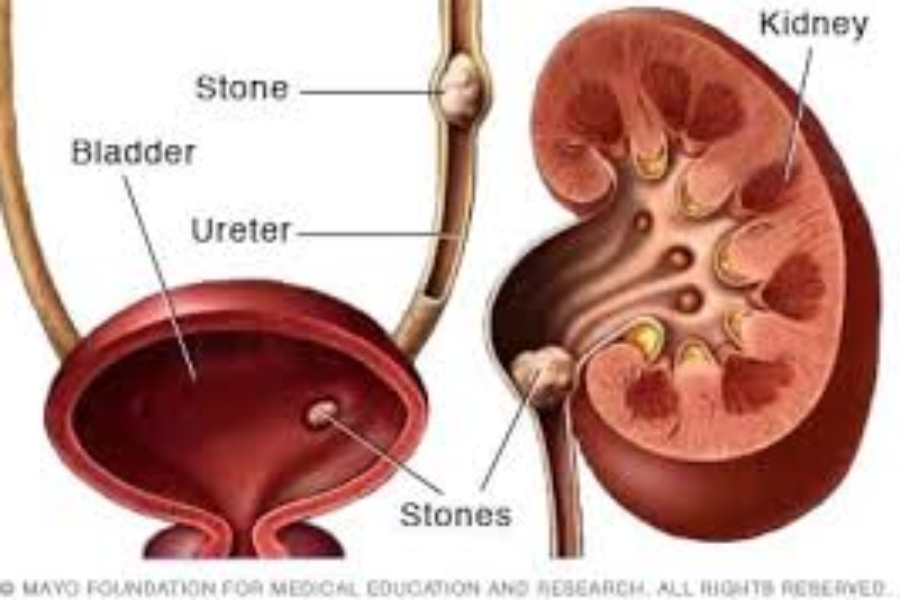
Kidney stones are often associated with sudden, intense pain, but controlling an acute episode is only part of the problem for people whose stones repeatedly return.
Recurring Renal Stones may warrant investigation into why crystals continue to form. Identifying contributing factors can help guide preventive measures and reduce avoidable recurrence.
Why Do Kidney Stones Form?
Stones can develop when certain substances in urine become concentrated enough to form crystals. Different stones have different compositions, and the underlying cause can vary substantially between patients.
Factors associated with stone formation can include inadequate fluid intake, dietary patterns, high urinary calcium, uric acid abnormalities, certain metabolic conditions, urinary infections, inherited disorders and some medications.
Pune's warm periods can also make adequate hydration particularly relevant because fluid losses may increase when people spend significant time outdoors or work in hot environments.
Recurrent Stones Need a Broader Assessment
Someone who has experienced repeated stone episodes may benefit from an evaluation that goes beyond imaging the current stone.
Depending on the clinical situation, assessment can include:
- Kidney function tests
- Urine examination
- Blood calcium and uric acid
- Electrolyte measurements
- Stone analysis when a stone is available
- Imaging of the kidneys and urinary tract
- Selected urine studies, including 24-hour urine testing
These investigations can help identify patterns that influence prevention.
Nephrologist or Urologist?
Both specialties may have roles in kidney stone care, but their responsibilities are different.
A urologist generally manages procedural and surgical aspects when a stone needs removal or causes urinary obstruction.
A nephrologist can help assess metabolic or kidney-related factors associated with recurrent stone formation, particularly when stones occur alongside reduced kidney function, electrolyte abnormalities or other renal disorders.
Some patients benefit from involvement of both specialties.
Avoiding Common Prevention Mistakes
Simply drinking more water without understanding the stone type may not address every risk factor. Similarly, following restrictive diets found online can sometimes create unnecessary nutritional problems.
Dietary recommendations may vary according to stone composition and urine findings. For example, reducing all dietary calcium is not automatically appropriate for every calcium-stone patient.
Preventive care should therefore be individualised.
Dr Nikhil Rathi evaluates patients in Pune when recurrent stones are associated with metabolic abnormalities, kidney function concerns or other nephrological issues.
A single kidney stone may be an isolated event. Repeated stones tell a different story. When episodes recur, determining the stone type, reviewing kidney function and investigating metabolic contributors can provide a clearer basis for prevention than repeatedly treating pain alone.
Keywords