Patients approaching advanced kidney failure often hear about different forms of dialysis. Two established options are hemodialysis and Peritoneal Dialysis, and understanding how they differ can make discussions about kidney replacement therapy more meaningful.
Neither method is automatically the right choice for every person. Medical suitability, lifestyle, home circumstances and personal preferences all contribute to the decision.
How the Two Dialysis Methods Differ
Hemodialysis filters blood through an external dialyzer. It requires vascular access and is commonly performed according to a scheduled treatment programme.
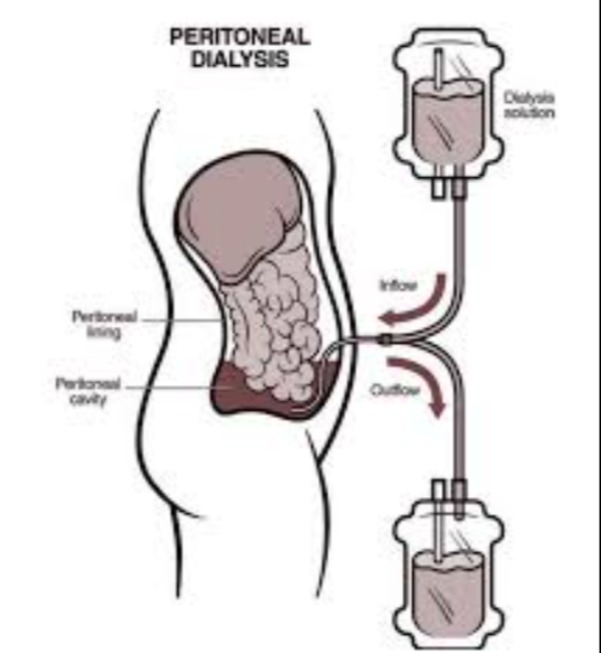
Peritoneal dialysis works differently. It uses the lining of the abdomen, called the peritoneum, as part of the filtering process. Dialysis fluid is introduced into the abdominal cavity through a catheter, allowed to remain for a prescribed period, and then drained.
Different peritoneal dialysis schedules and techniques are available depending on the patient's treatment plan.
Why Some Patients Consider Peritoneal Dialysis
For appropriately selected patients, treatment can be performed at home after suitable training. This can offer greater flexibility around daily routines compared with travelling to a dialysis centre for every treatment session.
However, home-based treatment also brings responsibilities.
Patients or caregivers need to follow infection-control practices carefully, manage supplies correctly and understand the dialysis procedure. The catheter site must also receive appropriate care.
What Factors Influence the Choice?
A nephrologist may consider:
- Overall medical condition
- Previous abdominal surgery
- Ability to perform treatment safely
- Home environment and hygiene
- Availability of caregiver support when needed
- Vascular access considerations
- Remaining kidney function
- Lifestyle and work requirements
- Patient preference
The advantages and limitations should be considered together rather than choosing a modality based only on convenience.
What About Infection Risk?
Peritoneal dialysis requires careful technique because infection of the abdominal lining, known as peritonitis, is an important complication.
Patients are trained to recognise warning signs and follow sterile or aseptic procedures during exchanges. Cloudy drainage, abdominal discomfort, fever or other concerning symptoms require prompt medical attention.
Hemodialysis has different access-related risks, including problems involving a fistula, graft or catheter.
Planning Before Dialysis Becomes Urgent
Whenever possible, kidney replacement therapy should be discussed before an emergency develops.
Patients in Pune with progressively declining kidney function can use this period to understand hemodialysis, peritoneal dialysis, transplantation and conservative management where relevant.
Dr Nikhil Rathi provides nephrology assessment and dialysis-related planning for patients with advanced kidney disease.
The most appropriate dialysis option is ultimately individual. A structured discussion that considers medical suitability alongside work, family responsibilities, home conditions and personal preferences can help patients in Pune make an informed decision about long-term kidney care.
Keywords