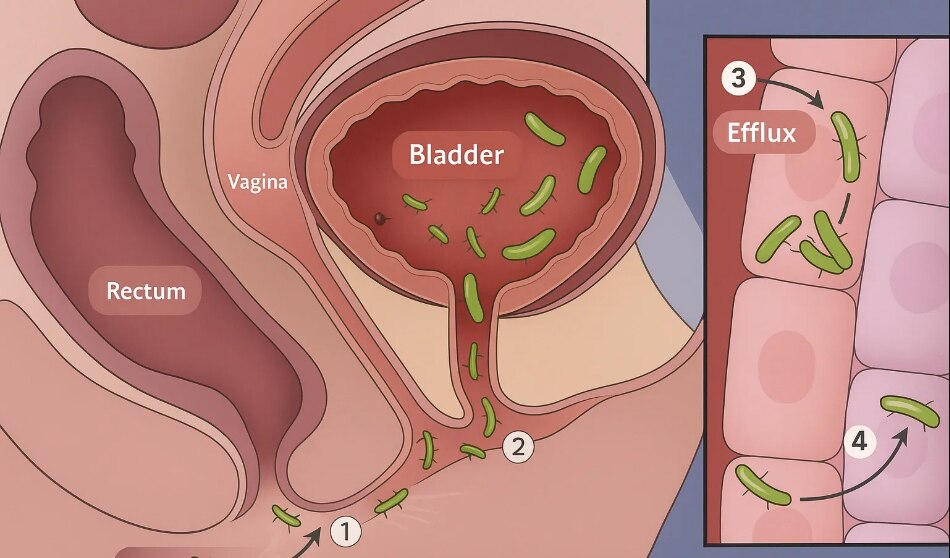
Burning urination is not enough to show whether an infection is limited to the bladder or involves the kidneys, obstruction, or reduced kidney function. You will be able to identify warning signs, request the right tests, prepare an uncontaminated urine sample, and decide when a nephrologist, urologist, primary-care clinician, or emergency department is the right next step.
Key takeaways
- Seek same-day care for fever, flank pain, vomiting, confusion, or pregnancy with urinary symptoms.
- Request urine microscopy and culture before antibiotics when a complicated UTI is suspected.
- Ask about kidney function blood tests when infection may involve the kidneys.
- Ultrasound can detect obstruction; CT is reserved for selected severe or recurrent cases.
What a UTI evaluation should check
Proper UTI evaluation in Pune distinguishes a bladder infection from kidney involvement instead of treating symptoms alone. Review burning, urgency, frequency, blood, fever, chills, flank pain, nausea, vomiting, pregnancy, previous infections, antibiotics and allergies; examine temperature, blood pressure, hydration, abdomen and kidney-area tenderness.
- Lower UTI: burning, urgency, frequency and discomfort low in the abdomen, usually without high fever or marked illness.
- Possible kidney infection: fever, chills, flank or back pain, nausea, vomiting, kidney-area tenderness or feeling distinctly unwell.
- Same-day care: confusion, fainting, very low urine output, inability to keep fluids down, severe flank pain, pregnancy with fever or fever in a young child.
Testing usually includes urinalysis, urine microscopy, urine culture with antibiotic sensitivity, complete blood count, serum creatinine and estimated glomerular filtration rate. Give the urine sample before antibiotics when possible; treatment can suppress bacterial growth and produce a falsely reassuring culture.
Bring previous culture reports and sensitivities, antibiotic exposure, creatinine and eGFR trends, urine-protein results, imaging reports, medicines, allergies, and transplant or dialysis details. These records help separate infection from colonisation, stones, obstruction or noninfectious symptoms.
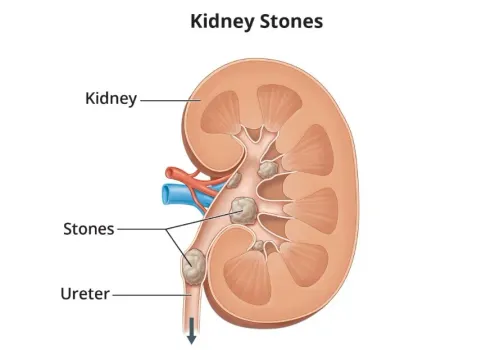
Ultrasound or CT is not routine for a first uncomplicated bladder infection, but becomes important for suspected obstruction, stones, persistent or recurrent kidney infection, blood in urine or poor treatment response.
When urinary symptoms need same-day care
Fever, chills, flank or back pain, nausea, vomiting, or feeling markedly unwell points to possible pyelonephritis rather than an uncomplicated bladder infection. Arrange same-day medical assessment; kidney infection can worsen quickly and may require intravenous fluids or antibiotics.
| Pattern | More likely explanation | Action |
|---|---|---|
| Burning urination, urgency, frequency, lower abdominal discomfort, no fever | Lower bladder infection | Prompt primary-care or urology assessment |
| Fever with chills, flank pain, vomiting, or pronounced weakness | Possible kidney infection | Same-day clinical assessment |
| Confusion, fainting, very low urine output, severe weakness, or difficulty breathing | Possible sepsis, dehydration, or acute kidney injury | Go to an emergency department now |
Do not wait for a routine appointment if you cannot keep fluids or prescribed medicine down, develop severe flank pain, or feel faint. Fever with urinary symptoms during pregnancy also needs same-day care. A child with fever and suspected UTI requires prompt medical review, especially an infant or a child who appears drowsy.
If you search for a uti kidney doctor in pune, ask whether urgent fever or flank pain has an emergency pathway. Nephrology input becomes more important with reduced kidney function, transplant status, dialysis, stones, obstruction, recurrent kidney infections, or poor treatment response; otherwise, primary care or urology may be the faster first stop.
Which urine and blood tests to request
Provide a midstream, clean-catch urine sample before taking the first antibiotic dose. Wash the genital area with water, begin urinating into the toilet, collect the middle stream in a sterile container, seal it, and send it to the laboratory promptly. A contaminated sample can produce misleading bacteria and trigger the wrong treatment.
Request these tests:
- Urinalysis, including dipstick testing for leukocytes, nitrites, blood and protein.
- Urine microscopy to examine white cells, red cells, bacteria and casts.
- Urine culture with antimicrobial susceptibility testing, especially for fever, flank pain, recurrent infection, pregnancy, male patients, children, urinary abnormalities or significant kidney disease.
- Complete blood count to assess the inflammatory response.
- Serum creatinine with estimated glomerular filtration rate to check kidney function and guide antibiotic dosing.
| Test | What it answers | When it matters |
|---|---|---|
| Urinalysis | Is inflammation or blood present? | Initial assessment |
| Microscopy | Are cells, bacteria or casts visible? | Suspected complicated infection or kidney involvement |
| Culture and sensitivity | Which organism is present, and which antibiotics can treat it? | Pyelonephritis, recurrence or higher-risk patients |
| CBC, creatinine and eGFR | Is there systemic illness, and how well are the kidneys filtering? | Fever, vomiting, reduced urine or kidney disease |
Culture timing matters because an antibiotic taken beforehand can suppress bacterial growth and produce a false-negative result or an incomplete sensitivity report. If you are seriously unwell, do not delay urgent treatment while waiting for a sample; give the sample first when this will not postpone care. Tell the clinician about any recent antibiotic dose.
When ultrasound or CT changes the evaluation
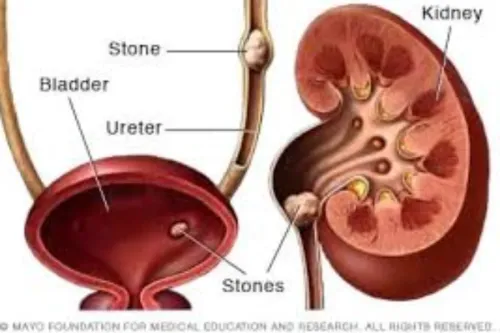
Imaging is needed when symptoms or test results suggest obstruction, a stone, kidney involvement, or a problem that is not resolving—not for every first uncomplicated bladder infection. Arrange it for poor response to appropriate antibiotics, recurrent kidney infections, visible or persistent blood in urine, suspected obstruction, unusual infection, or concern about a structural abnormality.
A renal and bladder ultrasound is often the starting study because it uses no radiation. It can show hydronephrosis, kidney size, bladder abnormalities, and urine left after voiding; it may miss a small ureteric stone or a blockage early in its course.
Hydronephrosis means urine is backing up, so doctors must identify whether a stone, narrowing, enlarged prostate, or another lesion is blocking flow.
A non-contrast CT of the urinary tract detects stones more reliably and shows their size and location. Contrast-enhanced CT may be chosen when doctors suspect a kidney abscess, complicated infection, tumour, or another structural problem; they review creatinine and eGFR before using contrast.
If infection occurs behind an obstruction, antibiotics alone may not clear it. Fever with severe flank pain, reduced urine output, or hydronephrosis requires urgent assessment for drainage.
Persistent burning after a negative culture calls for reassessment rather than repeated antibiotics; ultrasound or CT may be paired with evaluation for bladder pain syndrome, vaginal infection, or other noninfectious causes.
Choosing the right clinician for a complicated UTI
A nephrologist is the right choice when a UTI involves reduced kidney function, recurrent kidney infection, stones, obstruction, transplant status, dialysis, or another renal condition. For a first, uncomplicated bladder infection, start with a primary-care clinician or urologist.
A search for kidney specialist for urinary tract infection in pune should distinguish kidney expertise from general urinary-symptom treatment.
Before you book kidney specialist for uti in pune, check that the practice handles complex kidney disease and reviews antibiotic dosing against creatinine and eGFR. Ask whether fever, flank pain, vomiting, confusion, or very low urine output follows an emergency pathway rather than waiting for a routine appointment.
Bring records that show the pattern, not just the current symptoms:
- Previous urine-culture reports, organisms, and antibiotic sensitivities
- Antibiotics taken in the past three months, including dose and duration
- Recent creatinine, eGFR, urine-protein results, and blood-test trends
- Ultrasound or CT reports, especially findings about stones, obstruction, or hydronephrosis
- A complete medicine list, drug allergies, transplant details, or dialysis schedule
| Clinician | Best fit | Check before booking |
|---|---|---|
| Primary-care clinician | First uncomplicated bladder infection | Same-day testing and follow-up |
| Urologist | Stones, obstruction, blood in urine, or structural urinary problems | Access to imaging and procedural care |
| Nephrologist | Kidney impairment, transplant, dialysis, recurrent kidney infection, or difficult antibiotic choices | Nephrology practice and urgent-care pathway |
Dr Nikhil Rathi - Kidney Specialist in Pune is relevant when kidney function or complex renal history changes the UTI decision.
Related service
Urinary Tract Infections UTIs can damage men, women & children's livers, kidneys & other organs if left untreated for a prolonged period of time, so it is crucial to... View service → |
Frequently asked questions
What should a UTI evaluation check?
A proper evaluation reviews burning, urgency, frequency, blood, fever, chills, flank pain, nausea, vomiting, pregnancy, previous infections, recent antibiotics and allergies. The clinician checks temperature, blood pressure, hydration, abdominal tenderness and kidney-area tenderness.
When do urinary symptoms need same-day care?
Seek same-day medical care for fever or chills, flank pain, repeated vomiting, confusion, severe weakness, visible blood in urine, pregnancy with urinary symptoms, or symptoms in a person with kidney disease, one kidney or urinary obstruction.
Which urine and blood tests should you request?
Ask whether you need urinalysis with microscopy, a urine culture with antibiotic sensitivity testing, and blood tests such as complete blood count, serum creatinine and electrolytes. Give the urine sample before starting antibiotics when possible.
When does ultrasound or CT change a UTI evaluation?
Ultrasound helps identify urinary blockage, kidney swelling, stones and retained urine without radiation. CT provides more detail for suspected obstructing stones, abscesses, severe infection or unexplained recurrent infections when the clinician considers it necessary.
How do you choose the right clinician for a complicated UTI?
Choose a clinician who can assess kidney involvement, review urine culture results, check kidney function and arrange imaging or hospital care when needed. A nephrologist is appropriate when kidney disease or impaired kidney function complicates the infection; a urologist is important for stones, obstruction or structural problems.
Keywords